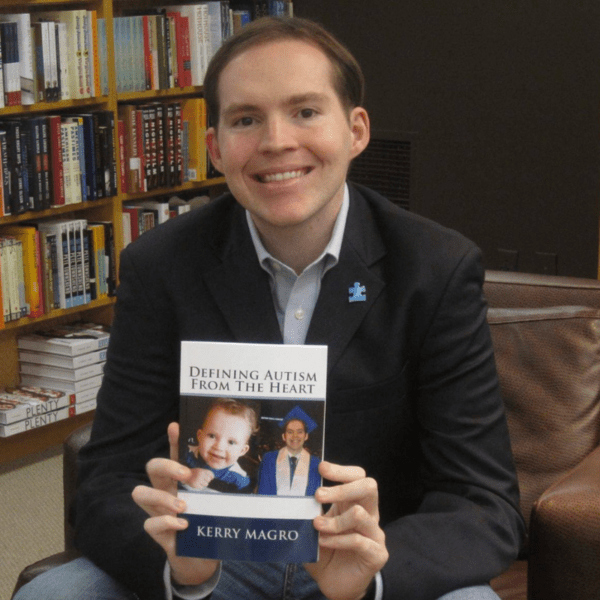
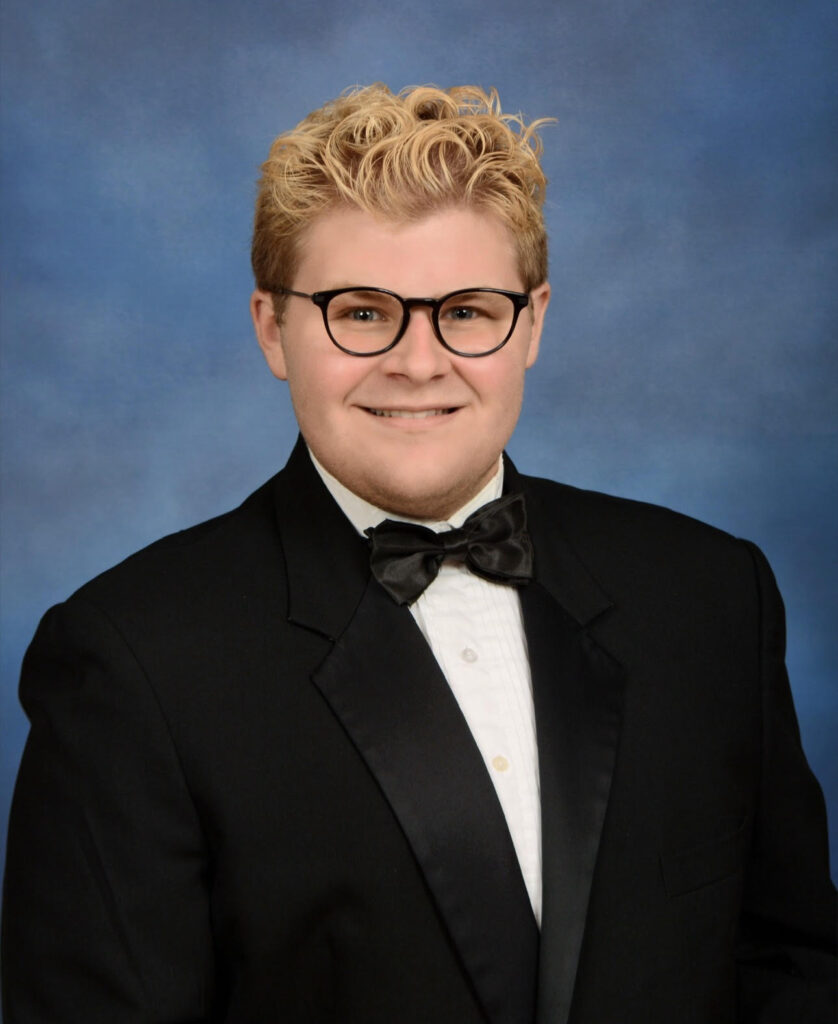
This guest post is by Nicholas “Nic” Blume, an autistic high school senior and student advocate who will attend the College of Charleston in fall 2026 on a pre-law track. Nic plans to become an educational attorney focused on special education law. He is applying for the Spring 2026 Making a Difference Autism Scholarship through KFM Making a Difference, the nonprofit founded by Kerry Magro. Kerry was nonspeaking until age 2.5 and was diagnosed with autism at 4.
Autistics on Autism: The Next Chapter shares stories from more than 100 autistic adults about what helped them while growing up and pursuing their dreams. All proceeds support KFM Making a Difference initiatives, including this scholarship program. To invite Kerry to speak at your school, company, or organization, submit an inquiry here.
As a South Carolina high school senior with autism, I have developed my own distinct voice, resilience, and sense of purpose. I have developed a deep passion for advocacy work, primarily for students who are often misunderstood or ignored. I want to work in educational law, using my autism advocacy experience to support future clients who are students and let them know that they are seen, heard, and supported.
Did you know that the lights inside Target stores make a constant buzzing sound? Or that something as small as a clothing tag touching your skin can cause a full-blown panic attack? For many people, these things go unnoticed. For me, they were overwhelming. I was the child who was bothered by every little thing and, in many ways, I still am.
My family didn’t know what autism was at the time. They just knew I was different. I didn’t speak until I was five years old, and the stories of my tantrums should have been enough to point to something deeper. Before I had words, I had frustration. I had feelings I couldn’t explain and needs I didn’t know how to express. Instead of fear, my mom chose determination. She dove in headfirst, learning everything she could, fighting for the help I needed, and becoming my greatest advocate before I even knew how to advocate for myself. She once said that she was given a diagnosis for me that was printed on a sheet of paper and told someone would contact her for support.
I don’t see my autism as a disability; I see it as a different ability. It has shaped the way I connect with people and understand the world around me. I can walk into a room and find something in common with almost anyone. I laugh at things others might not find funny, and I express myself in ways that are uniquely me. I can kneel beside a child who is having a meltdown and understand what they are feeling, even when they cannot put it into words. The ability to empathize is something I carry with pride, because I know how much it matters to feel understood.
My mom once told me that autism is like a pond. Some days, the water is still, without a ripple. Other days, the ripples are strong and impossible to ignore. That description has stayed with me because it perfectly explains what living with autism feels like. It isn’t the same every day. Throughout my life, I have experienced both. My family and I have lived through autism’s tsunamis, while other times have been a walk in the park.
The worst time in my life was being bullied in high school. Even after the administration was made aware multiple times, no real help was offered. That period of my life was the lowest I have ever felt. I felt unseen, unheard, and completely alone in a place where I was supposed to feel safe. It wasn’t just the bullying; it was the lack of support that made it even harder. That experience became a turning point in my life. It forced me to take everything I had learned—from my mom, from my struggles, and from my resilience—and start advocating not only for myself, but for others who felt the same way. And yes, my “Mama Bear” came out during this time, and I quickly learned why people say never mess with a bear cub. Watching her fight for me showed me what true advocacy looks like.
That moment changed the direction of my life. For years, I thought my future would be in hospitality and tourism. I enjoyed the idea of connecting with people and creating experiences for others. As I grew and began to understand my own experiences more clearly, I found myself drawn in a different direction. When I started learning how to quote laws under the Americans with Disabilities Act, something shifted. I wasn’t just learning information; I discovered my true purpose. I realized that my experiences had prepared me for something bigger than I had originally imagined. I want to become an educational attorney, focusing on special education advocacy. I want to be the person who steps in when others are overlooked, the one who ensures that students and special education teachers are protected, heard, and given the opportunities they deserve. I know what it feels like to need someone in your corner, and I want to be that person for others. I also know what it feels like to always have an IEP.
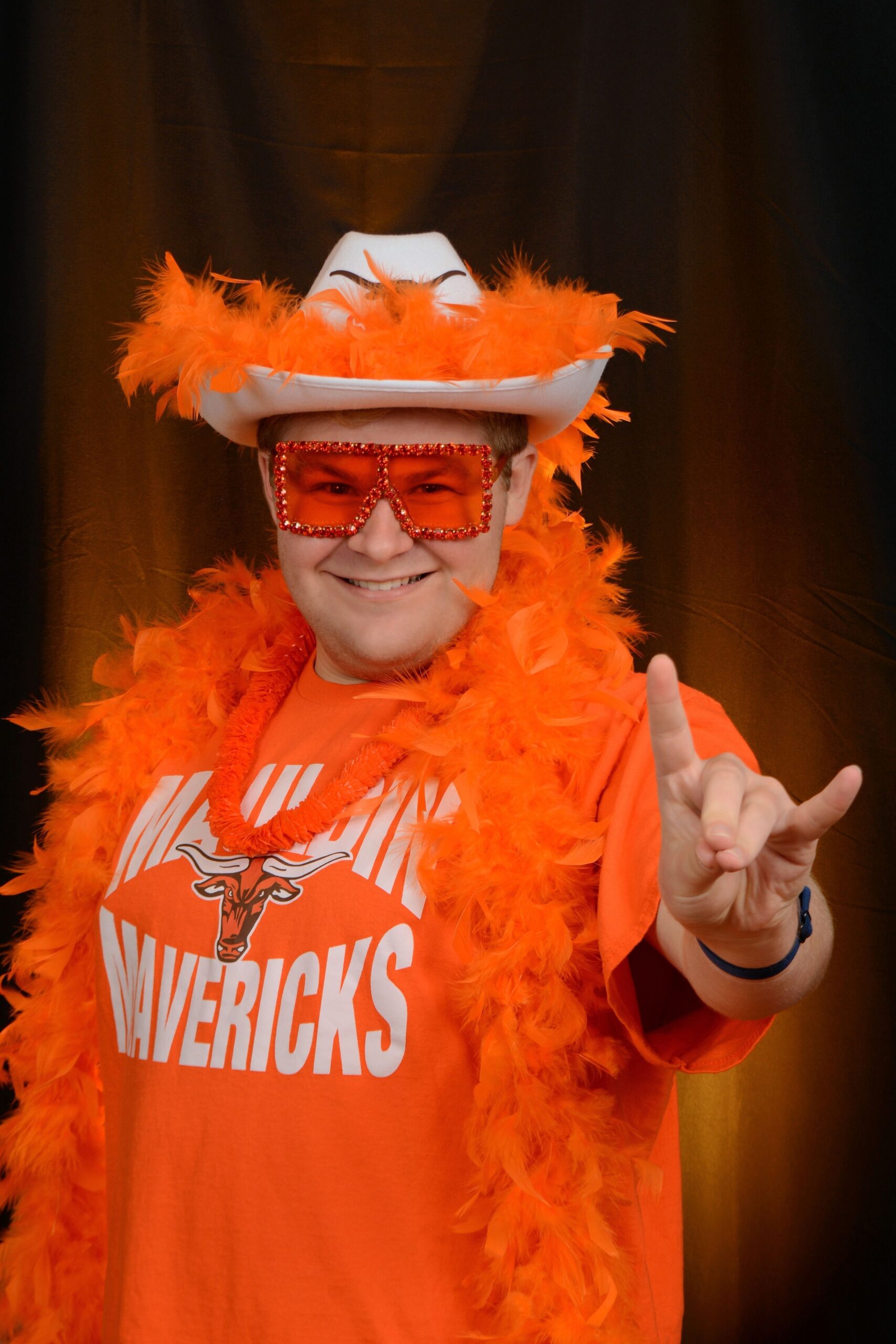
Living with autism has taught me strength, patience, and empathy. It has taught me how to navigate a world that is not always designed for people like me and how to do it with confidence. It has shown me that challenges can become purpose and that even the hardest moments can shape something meaningful if you allow them to. Most importantly, it has given me the ability to give hope—hope to students who feel different, hope to families who feel overwhelmed, and hope to remind others that autism is not something to fear but something that can grow into strength, resilience, and purpose.
Living with autism has been the greatest blessing in my life. For a long time, I didn’t fully understand that. There were moments when it felt like a barrier instead of a gift. But now, I can see it clearly. It has shaped who I am, strengthened my voice, and given me a path forward.
AND NOW, I AM READY!
By Nicholas “Nic” Blume
Kerry Magro, a professional speaker and best-selling author who is also autistic, founded KFM Making a Difference in 2011 to help autistic students receive scholarship support for post-secondary education. Help us continue this work by making a tax-deductible donation here.
You can also invite Kerry to speak at your next event by submitting an inquiry here. Kerry speaks with schools, businesses, government agencies, colleges, nonprofits, parent groups, and conferences on autism, employment, college success, mental health, inclusion, and bullying prevention.