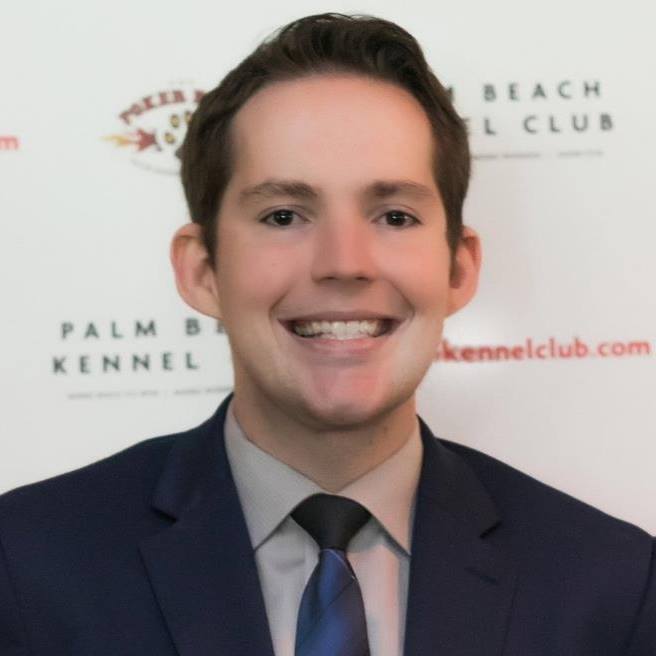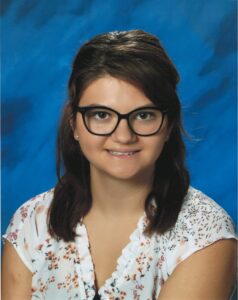
This guest post is by Alexi “Lexi” Rittger, a Special Olympics New York swimmer, four-year high school student-athlete, lifeguard, honor-roll student, and aspiring fashion designer. She has been accepted to SUNY Orange and plans to study business before pursuing a bachelor’s degree in fashion design, merchandising, and textiles. Alexi is applying for the Spring 2026 Making a Difference Autism Scholarship through KFM Making a Difference, the nonprofit founded by Kerry Magro. Kerry was nonspeaking until age 2.5 and was diagnosed with autism at 4.
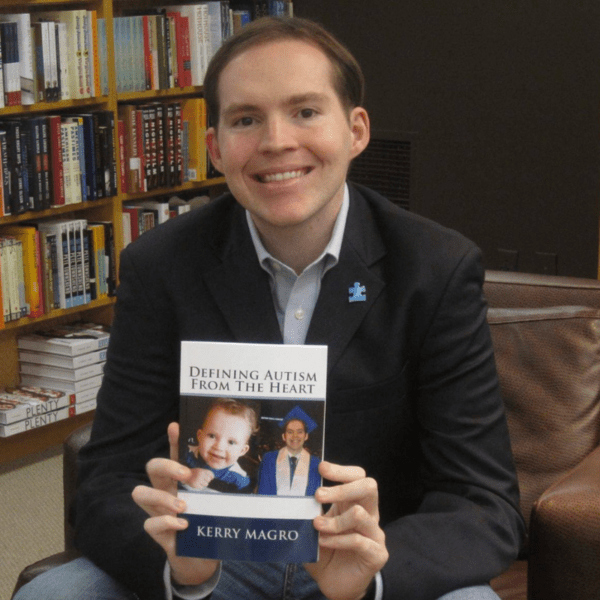
Autistics on Autism: The Next Chapter shares stories from more than 100 autistic adults about what helped them while growing up and pursuing their dreams. All proceeds support KFM Making a Difference initiatives, including this scholarship program. To invite Kerry to speak at your school, company, or organization, submit an inquiry here.
By Alexi Rittger
I was diagnosed with autism at age two and a half. My spoken language did not begin to emerge until I was almost three, and even then, it was inconsistent and not typical. I was already receiving support through early-intervention services, so the diagnosis was not a complete surprise for my parents. Still, it marked the beginning of a great deal of hard work, difficult choices, and determination—not only for me, but also for my family and everyone who stood beside me.
I attended a special education preschool outside my home district. That often meant riding the bus for an hour or more each way, for two years, including summer school.
Those early years were rough. I rarely slept well. I still struggle with sleep, but back then I would wake frequently or remain awake for hours. I experienced frequent meltdowns and could not explain my feelings or needs.
Around the same time, my dad was serving on active duty in the military and approaching a new assignment that would require our family to move. Relocating would have meant starting over with therapies, waitlists, schools, services, referrals, and advocacy. My parents decided that my dad would transfer alone while my mom, younger brother, and I stayed behind so I could keep consistent services. My dad left when I was four and was away for three years.
I returned to my home district for kindergarten and first grade, but the placement was not a good fit. On my first day of kindergarten, I refused to do my work and screamed, so my teacher sent me to the assistant principal’s office. I quickly learned that screaming could get me out of a task and into the office, the hallway with my aide, or the nurse’s office. Not surprisingly, I did not learn very much, and evaluations showed that I was performing far below grade level.
That first day was a major sign that the classroom was not right for me, but my mom was still learning how to advocate within the special education system. That changed. She became my strongest ally, cheerleader, and advocate. At the time, however, she was raising two young children while her husband was deployed overseas, with very little support.
After two difficult years, I returned to an out-of-district program and the long bus rides. From kindergarten through fifth grade, I attended six different programs or placements. I had no friends in my town and felt as though I did not belong anywhere. I wanted to return to my local district and have the chance to participate in my own community.
Eventually, I achieved that goal. Returning partway through fifth grade was challenging, but it changed my life and began the journey to where I am now.
By middle school, I was thriving. The global pandemic interrupted my sixth-grade year, but it also helped me discover that I loved learning and was good at self-directed, independent work. When I returned to the school building in eighth grade, I earned the Sojourner Truth Award, joined the National Junior Honor Society, made high honor roll, participated in after-school clubs, learned to sew and create, joined a competitive swim team, volunteered on community-service projects, and began planning for high school and beyond.
Fast-forward to today. There have been many ups and downs, but I am where I wanted to be. At times, that goal seemed impossibly high, yet I reached it.
I competed as a varsity swimmer through all four years of high school while maintaining high honor roll. I also participated throughout high school in a creative writing and arts publication and in Fashion Club, where I often helped peers who had less experience with sewing, fabric, textiles, and design.
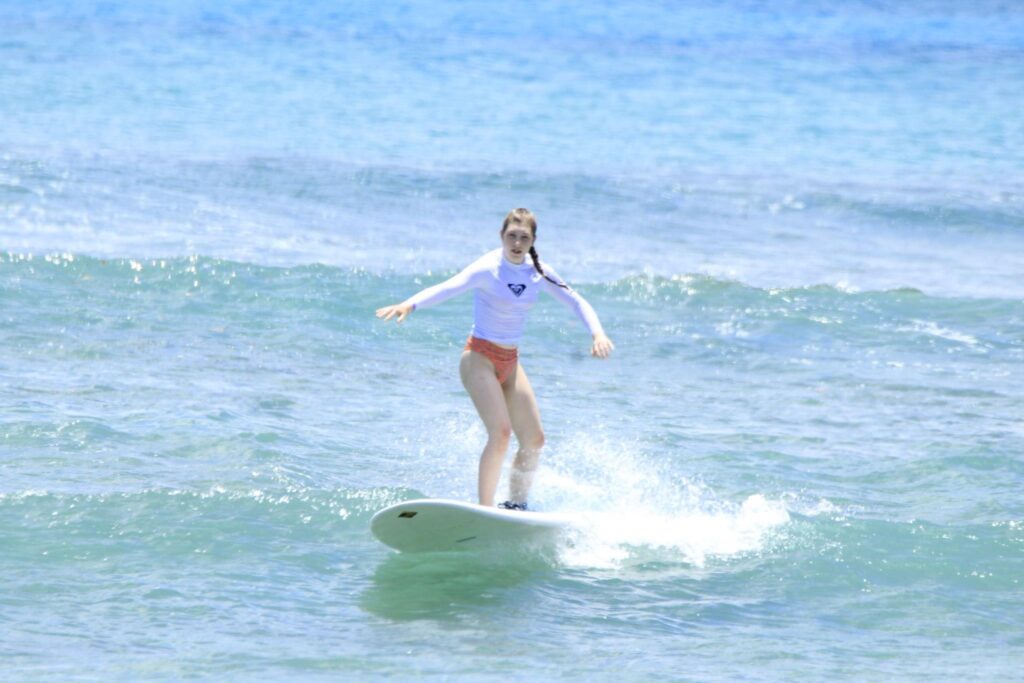
I became a certified lifeguard and found work in that field. I earned my driver’s license, another major challenge and goal. I can also proudly say that I am the fastest female Special Olympics swimmer in New York. The state games give me an opportunity to shine as both an athlete and a mentor to my teammates.
Outside the pool, I make clothing and custom gift bags and dream of eventually owning my own fashion shop. I also enjoy therapeutic horseback riding, traveling, trying new foods, and spending time with dogs. I am the kind of person who is always ready for a new experience. Even when life is difficult, I get back up and try again.
Through everything, I have learned that autism is part of me. It is part of my identity and will always shape how I see the world and live my life. I love being unique, and I am proud of who I am.
I know I will face challenges in the future and that not every experience will be positive. Some people may not accept me, but honestly, that is their loss—not mine. One key to success is surrounding yourself with people who care about you, embrace you as you are, and genuinely want you to succeed.
Kerry Magro, a professional speaker and best-selling author who is also autistic, founded KFM Making a Difference in 2011 to help autistic students receive scholarship support for post-secondary education. Help us continue this work by making a tax-deductible donation here.
You can also invite Kerry to speak at your next event by submitting an inquiry here. Kerry speaks with schools, businesses, government agencies, colleges, nonprofits, parent groups, and conferences on autism, employment, college success, mental health, inclusion, and bullying prevention.