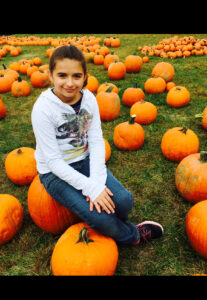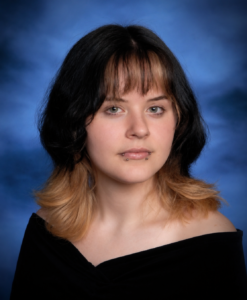
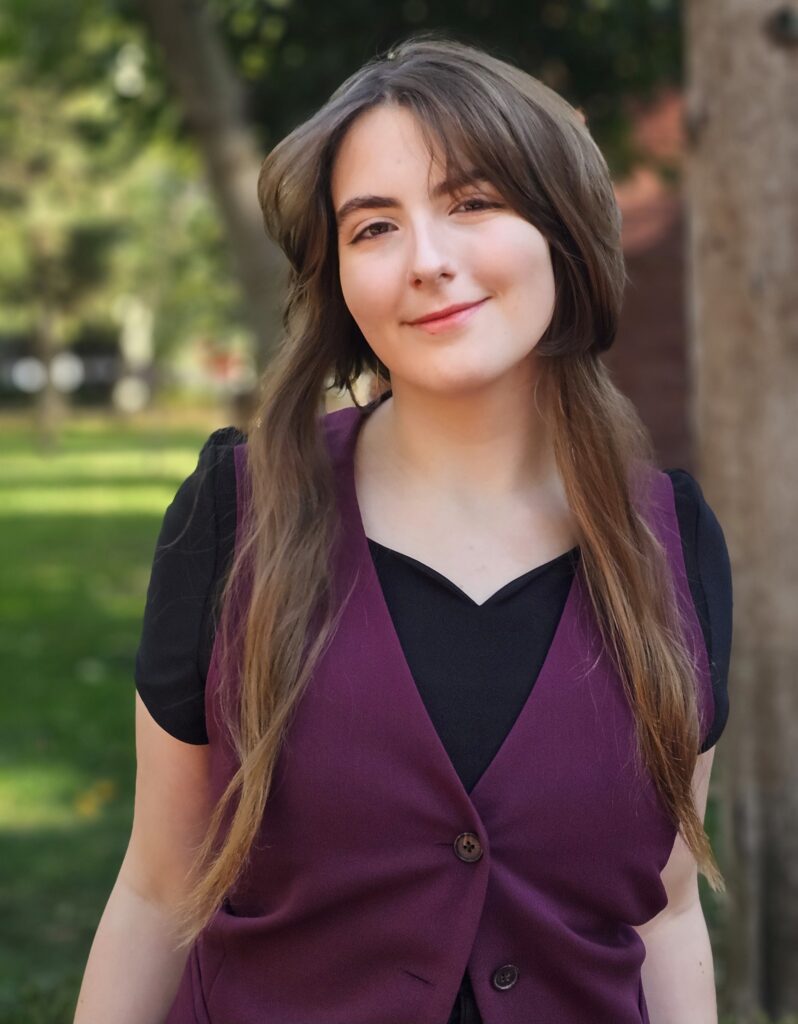
This guest post is by Tika Gill, an actress and writer from Pittsburgh, Pennsylvania, who will attend East 15 Acting School at the University of Essex to study acting for stage and screen. Tika is applying for the Spring 2026 Making a Difference Autism Scholarship through KFM Making a Difference, the nonprofit founded by Kerry Magro. Kerry was nonspeaking until age 2.5 and was diagnosed with autism at 4.
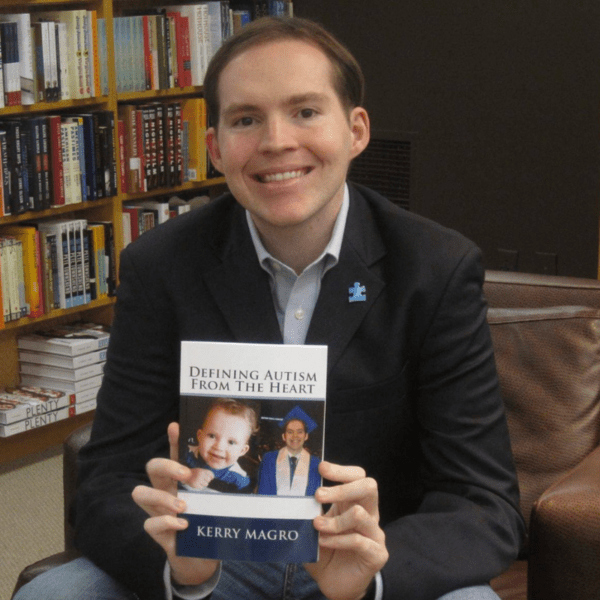
Autistics on Autism: The Next Chapter shares stories from more than 100 autistic adults about what helped them while growing up and pursuing their dreams. All proceeds support KFM Making a Difference initiatives, including this scholarship program. To invite Kerry to speak at your school, company, or organization, submit an inquiry here.
By Tika Gill
For as long as I can remember, I believed I was an alien. I would giggle and create pie charts with my friends: 25% Georgian, 25% American, and 50% Martian. My room wasn’t my room; it was a rocket ship that would take me to a planet made entirely of water. My living room wasn’t my living room; it was a jungle with roots taller than my arms could reach. This wild imagination fueled me; I was always in my own little fantasy land. It was fun to feel different, something I took pride in with the rest of my elementary classmates before the expectations rose.
As I grew up, socialization became harder as social cues flew over my head, and I could never grasp what had changed. It was as if I were a fly, buzzing throughout conversations as nothing more than a bother, and no matter how hard I tried to change, I could only morph into a different unwanted insect. I used to be a social butterfly, but I couldn’t even hold a conversation without feeling the weight of sideways glares and teasing. I began to resent these differences that were alienating me. I just wanted to fit in and understand my peers.
I decided to isolate myself from society, locking myself in my room with minimal social interaction. In school, I would keep my head down, focusing on my beat-up boots to avoid the watchful eyes of students in the hallways. It became a cycle of avoidance and fear dug up from my chest, as I could only imagine the worst cases possible—even impossible—for what might happen if I tried speaking with people. My parents were dumbfounded. They couldn’t understand the anxiety that came with every situation I found myself in, and without a proper explanation, all I could piece together was that something was wrong with me. I was wrong.
As I fell deep into the pits of depression, I continued to create masks for myself, building a version of me that hid her anxieties behind a smile as well as her true interests and joys. I felt as if I had lost myself. That was until I discovered theater.
None of my anxieties mattered on the stage. In theater, I didn’t have to strain myself to pretend I was something I wasn’t—ironic, isn’t it? It became my respite from a world that isolated me; I was free to play with my views of the world and allow my imagination to run free. As if I were basking in the light of escapism from my fears, the spotlight held me together, sewing up my fragmented pieces to rebuild a personality I worried I had lost. I found a community that not only welcomed people who thought differently but also strove to support them. It was as if I had found my sacred haven.
It wasn’t until my sophomore year that all the pieces began to click into place, and I was diagnosed with autism. Finally, there was a word that not only encapsulated my struggles but also provided me with evidence that I wasn’t born “wrong.” By then, however, I had already embraced myself and become who I wanted to be. It was thanks to theater that I realized I didn’t need to fit in; I just needed to love being unapologetically myself, and that’s exactly what I did. I would wear bright and unusual clothes, choose to ignore the snide remarks of my classmates, and surround myself with people who uplifted me, even with what society deemed quirks.
Acting built a home for me when I was at my lowest, creating a sanctuary of peace whether I was onstage acting my heart out or enthralled by a beautiful performance in the audience. It was the IV pumping confidence into my veins to help me recover after my lowest lows. It’s the reason I can proudly stand today and share my autism with the world. I owe my life to acting, and as such, I wish to pursue it with as much love and care as it has nurtured me with.
I want to prove not only to the world but also to anyone out there who has been alienated for being themselves that they don’t need to change to fit what society expects. Differences should be celebrated, not hammered away, and I want my success to inspire and uplift others just as much as theater has uplifted me.
I dream of a world where people can embrace what makes them special—where unique interests and traits that aren’t conventionally standard are praised and valued. So many people face challenges similar to mine without a lifeboat like theater to help keep them afloat. Instead, they drift deeper and deeper, sinking into pits formed by a society that prioritizes efficiency over creativity. To use my acting career to raise awareness of these struggles and create a platform for these people—to take their hands, pull them back onto dry land, and challenge society’s obsession with conformity—would be an honor that means so much more than just one person.
Most importantly, I came to realize that my worth isn’t dependent on whether I fit into a society that doesn’t view me as equal. What defines my worth is how I decide to live my life, so who cares if I’m an alien? By being an alien, I’m closer to the stars and closer to making my dreams come true.
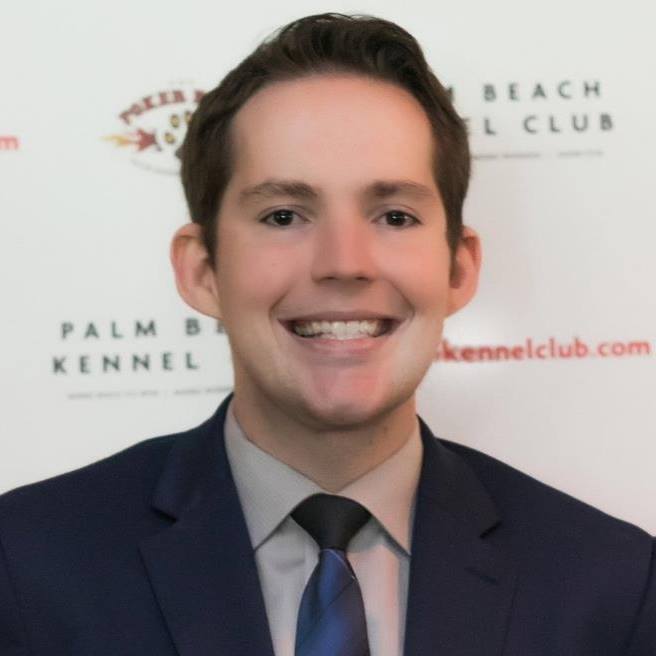
Kerry Magro, a professional speaker and best-selling author who is also autistic, founded KFM Making a Difference in 2011 to help autistic students receive scholarship support for post-secondary education. Help us continue this work by making a tax-deductible donation here.
You can also invite Kerry to speak at your next event by submitting an inquiry here. Kerry speaks with schools, businesses, government agencies, colleges, nonprofits, parent groups, and conferences on autism, employment, college success, mental health, inclusion, and bullying prevention.