
This guest essay is by Casey Brooks (a pseudonym).
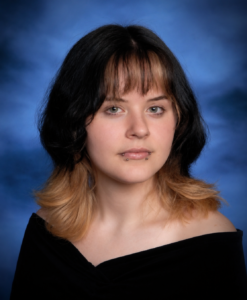
Published under a pseudonym at the applicant’s request. Identifying details have been generalized where needed. The accompanying image is a stock photograph.
My mom says I have always been a “studier of people”. I am naturally curious about the human mind; why people are the way they are, what motivates them and how their emotions influence their decisions. As a child, I excelled academically but when it came to social situations, I never quite seemed to get it. I desperately wanted to feel loved and accepted, but couldn’t understand the logic and interests of other children. No one else seemed to be interested in Egyptian history or financial markets the way I was. I looked around at all these other kids who were naturally likable and couldn’t help but feel like there was something wrong with me. This became a belief that I was just a broken person that wasn't as lovable as others. I began observing people in a pursuit to discover what values, decision making patterns and emotions drove their behavior. Over time, I developed a strong ability to understand social dynamics and the motivations behind behavior. Between this and my lucky in the physical appearance category, I ended up being able to easily make friends by the time that I was a teenager. But it always felt like I was just pretending; if they knew who I really was no one would love me anymore. I ended up trying to commit suicide because of my belief that there was something inherently wrong with me, which is when they figured out that I was autistic and not just "quirky."
I went to treatment for my mental health where I was able to change my outlook and beliefs about myself. I understood that being different didn't make me wrong or bad, and by allowing myself to act authentically, I discovered people actually loved me even more when I was myself. I went from playing the game of being social to truly connecting with other people in a way I hadn't experienced before.
I was very lucky to have been able to go to treatment and receive strong mental health care. The counselors I have worked with who were able to effectively combine validation with specific action steps have completely changed my life and made me a happier and more effective person than I ever thought could be possible when I was younger. I consider my greatest accomplishment to be the emotional effectiveness skills I have been able to develop over time. While I started out with more difficulty than most in the feelings department, I have learned over time to not only manage my emotions effectively, but help others. I get told all the time that I should be a therapist and talking with people about their lives and how they feel is my favorite activity. So I am applying to get a masters in counseling, so I can make people feel understood and seen, while improving their self-image and ability to build healthy relationships. My experience in mental health care saved my life and changed my perspective on the world. I want to be the kind of counselor that helps people see the world in new ways and know that being different doesn't make you any less valuable. I am proud that despite my natural difficulty understanding social situations, I have turned talking with others into my greatest skill and future career.
This essay was submitted to the KFM Making a Difference scholarship program, founded by Dr. Kerry Magro to support autistic students pursuing postsecondary education.