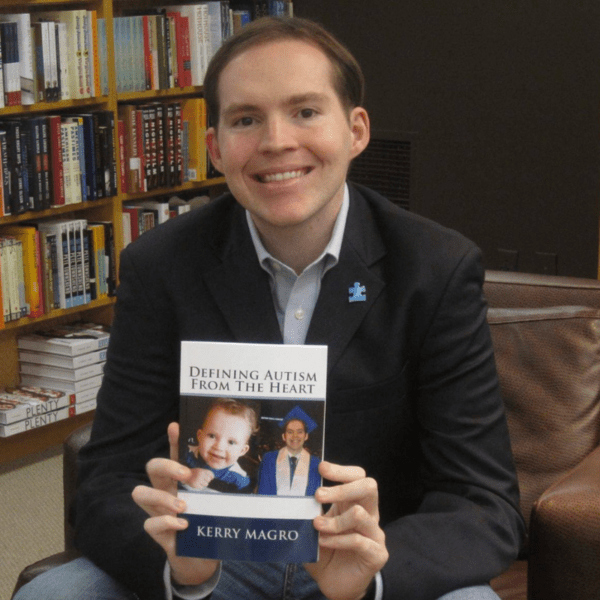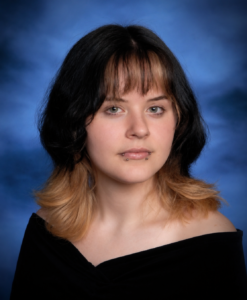
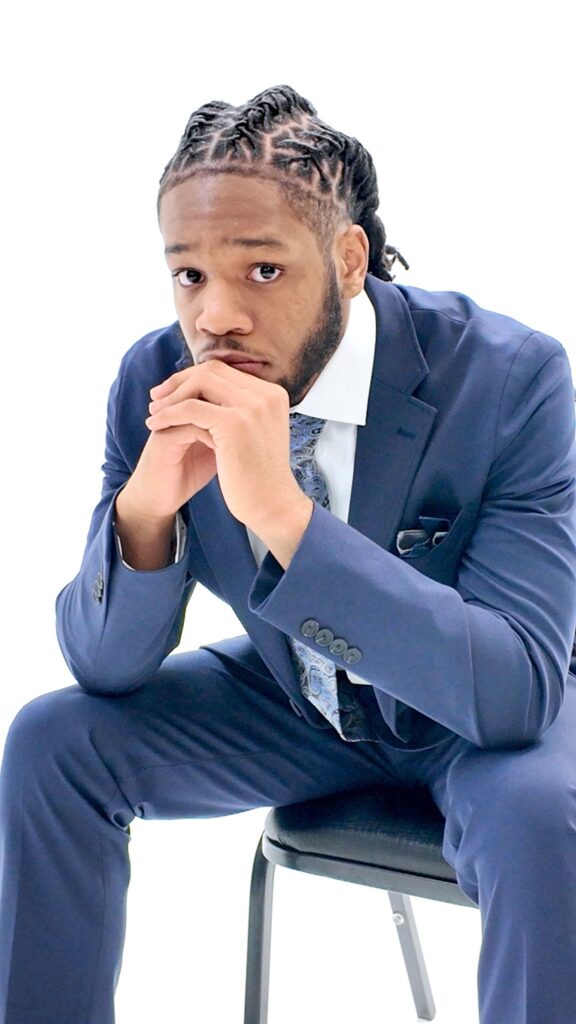
This guest post is by Isaiah Stringfield, a high school senior and aspiring character animator who plans to pursue a bachelor’s degree in computer animation at Full Sail University. Isaiah is applying for the Spring 2026 Making a Difference Autism Scholarship through KFM Making a Difference, the nonprofit founded by Kerry Magro. Kerry was nonspeaking until age 2.5 and was diagnosed with autism at 4.
Autistics on Autism: The Next Chapter shares stories from more than 100 autistic adults about what helped them while growing up and pursuing their dreams. All proceeds support KFM Making a Difference initiatives, including this scholarship program. To invite Kerry to speak at your school, company, or organization, submit an inquiry here.
I’m Isaiah Stringfield, an aspiring 3D artist, animator, and storyteller. Diagnosed with autism and ADHD at age 11, I channel my neurodivergent perspective into creating stories shaped by imagination, emotion, and personal growth. I aim to create animations that help others feel seen and understood.
For as long as I can remember, drawing has been my place of peace. When I was five years old, I wasn’t just “getting in trouble” for drawing on the walls instead of paper; I was trying to make sense of a world that often felt overwhelming. Even then, I felt different, as if I was tuned into a frequency no one else could hear. Eventually, my mom recognized that disconnect too, leading to my diagnosis of Asperger’s and ADHD.
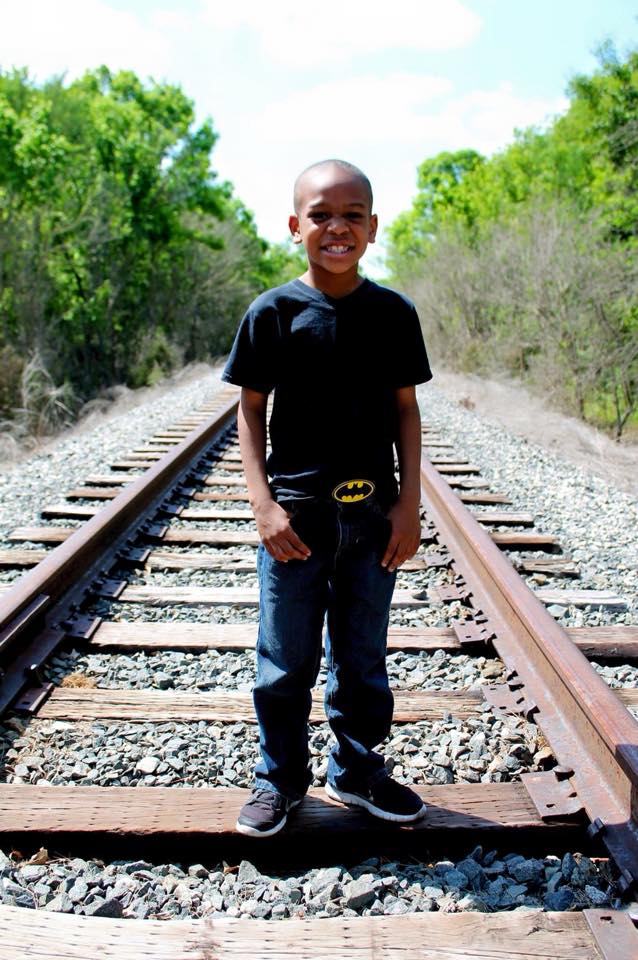
Knowing the “what” was only the beginning; then came the “how.” My parents had to teach me how to navigate the world as a young autistic Black boy in a world that isn’t always kind or patient. They taught me that I could still conquer anything if I believed in myself. However, believing in myself became a difficult task as I grew older and the reality of my neurodivergence met the pressures of the world. It hasn’t been a straight line to success; there have been plenty of ups and downs, and some of those “downs” were incredibly dark.
Growing up on the spectrum meant dealing with layers of frustration that I didn’t always know how to voice. There were years when the disconnect I felt manifested as significant behavioral issues. When the world felt too loud or people felt too unpredictable, I reacted out of self-preservation, which was often misunderstood as being difficult or defiant.
These struggles eventually spiraled into a battle with depression. It is hard to explain the weight of feeling like an outsider in your own life or the exhaustion that comes from trying to “mask” just to fit into a traditional classroom. There were days when my racing thoughts didn’t feel like a superpower; they felt like a cage.
Throughout these darker periods, creativity remained my ultimate coping tool. When depression made the world feel gray, my art allowed me to reclaim color. Creating characters and building their worlds became a safe space to process the heavy feelings I couldn’t put into words. When I draw, the “loudness” of the world finally fades, and my mind becomes quiet and focused.
In those moments, I’m not an outcast or a “kid with behavioral issues”; I’m just me. My characters are more than ink on a page. They are born from my actual moments of anxiety and frustration. Instead of letting those feelings take over, I turn them into art.
Most people hear the word “animation” and think of simple cartoons or anime, but it is so much more to me. It’s not just about drawing a cool design; it’s about solving the logical problems that bring a character to life. I focus on the characters themselves and on developing intricate arcs and plots. There is a specific dedication required to decide who a character wants to be and what problems they need to solve. I realized that just as I was solving problems for my characters, I was learning how to solve the problems in my own life.
This is where my neurodiversity finally shifted from a burden to what I consider my “superpower.” As a neurodivergent artist, I notice details, emotions, and connections that others might overlook, and those perspectives shape the way I create. My Asperger’s gives me the patience to master the technical side of animation, while my ADHD allows me to be relentless in my pursuit of making my artwork realistic and creating something people can feel.
My brain is always in overdrive, imagining new ideas and stories. While that once made focusing in traditional environments a struggle, it now allows me to spend hours “locked in,” noticing possibilities that others miss. Art gives my racing thoughts a target to hit. I’ve realized that the way my brain is wired isn’t a setback; it’s the secret to why my imagination is so vivid.
Dedication, to me, isn’t a forced responsibility; it’s owning the very thing that will help me grow. I live this narrative every day. I know that while my talent opened the door, my dedication will produce the final product. My commitment will breed success, and my work ethic will take me where I want to go: Full Sail and beyond.
Attending Full Sail University’s animation program is the next step in this growth. It’s the perfect place for me to “level up” by working with experts and other creative people who “get” me. For a long time, college felt out of reach, but the inclusive culture I experienced during my visit confirmed that this is exactly where I need to be. Seeing that culture and finally feeling valued for what I love made me realize I wasn’t an outcast—I was just waiting for the right environment. This career will allow me to live in my “safe space” every single day.
My mission is to create relatable animations that help others who feel unseen, misunderstood, or stuck in their own darkness find a safe place. I want to show the autism community that our struggles with depression or behavior don’t define our future. Our perceived “disconnects” are actually our greatest strengths.
By sharing my stories and my characters, I hope to inspire other neurodivergent individuals to embrace their unique frequencies. Our voices are necessary, our perspectives are valuable, and when we apply our dedication to our passions, we can create something the whole world can enjoy.
By Isaiah Stringfield
Kerry Magro, a professional speaker and best-selling author who is also autistic, founded KFM Making a Difference in 2011 to help autistic students receive scholarship support for post-secondary education. Help us continue this work by making a tax-deductible donation here.
You can also invite Kerry to speak at your next event by submitting an inquiry here. Kerry speaks with schools, businesses, government agencies, colleges, nonprofits, parent groups, and conferences on autism, employment, college success, mental health, inclusion, and bullying prevention.