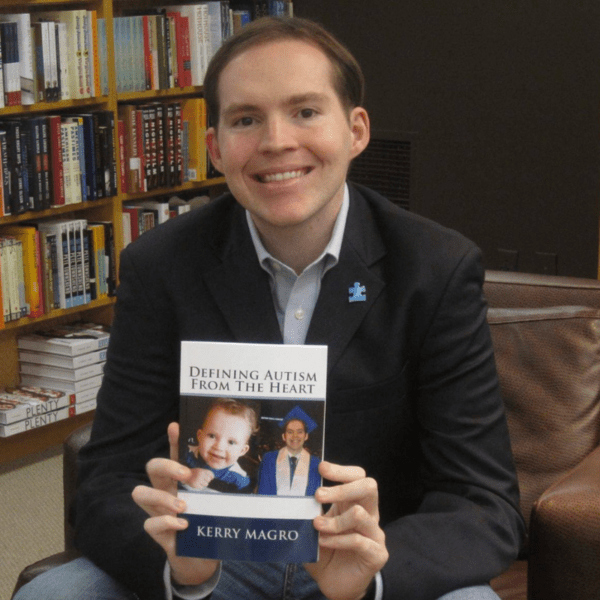
This guest post is by Rowan, a student and aspiring graphic designer. Rowan is applying for the Spring 2026 Making a Difference Autism Scholarship through KFM Making a Difference, the nonprofit founded by Kerry Magro. Kerry was nonspeaking until age 2.5 and was diagnosed with autism at 4.
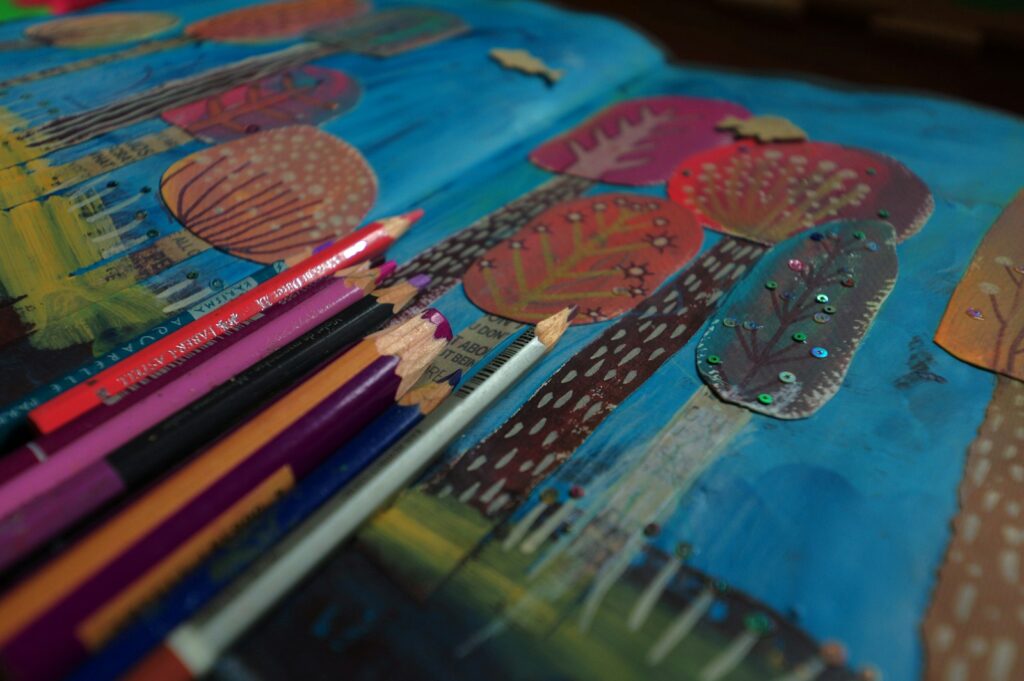
Rowan is a pseudonym used at the applicant’s request. A stock photograph is used to protect their privacy.
Autistics on Autism: The Next Chapter shares stories from more than 100 autistic adults about what helped them while growing up and pursuing their dreams. All proceeds support KFM Making a Difference initiatives, including this scholarship program. To invite Kerry to speak at your school, company, or organization, submit an inquiry here.
I’m a young man trying to make my way in a world that doesn’t always seem open to being different. Here I am, being myself and succeeding beyond expectations.
Growing up with autism has often felt like living in a world that was not built with me in mind. From an early age, I noticed that the way I communicated, reacted, and understood things was different from those around me. While other kids seemed to form friendships naturally, I struggled to find my place. Conversations felt confusing, social cues were easy to miss, and I often left interactions feeling unsure of what I had done wrong. Over time, this led to a deep sense of isolation. It wasn’t that I didn’t want friends; it was that I didn’t always know how to connect in the ways others expected.
Not having close friendships growing up shaped a lot of my experiences. Lunchtimes, group projects, and school events often highlighted the gap between me and my peers. While others laughed and bonded effortlessly, I found comfort in observing rather than participating. I became used to being on the outside looking in. At times, this made me feel invisible, like I was present but not fully seen or understood.
Being underestimated has been another consistent challenge. People sometimes assumed that because I communicated or interacted differently, I was less capable. There were moments when my abilities were overlooked or when expectations for me were set lower than they should have been. This was frustrating, because internally, I knew I had ideas, creativity, and determination. I just needed the right environment and understanding to express those things fully. Being misunderstood didn’t just affect how others saw me; it also affected how I saw myself at times, making me question my worth and abilities.
School dances were another reminder of the differences I experienced. Every dance I attended, I went with my brother rather than a group of friends or a date. While I was grateful not to be alone, it still highlighted what I felt I was missing. I would look around and see people laughing, dancing, and forming connections that seemed so natural to them. For me, those moments felt distant, almost like watching a scene from the outside rather than being part of it. It wasn’t just about the dance itself; it was about what it represented: belonging, connection, and shared experiences that I longed for but didn’t quite know how to reach.
Because of these experiences, my thoughts about dating have often felt bleak. The idea of forming a romantic connection can feel overwhelming when even basic social interactions are challenging. I have wondered if someone would truly understand me or be patient with the way I navigate the world. There have been doubts about whether I would ever experience the kind of relationship that others seem to find so easily. These thoughts can be discouraging, but they are also honest reflections of the uncertainty that comes with my experiences.
Despite these challenges, growing up with autism has also given me strengths that I am beginning to recognize and appreciate. I have developed a deep sense of self-awareness and resilience. I have learned how to navigate difficulties independently and how to find comfort in my own company. My perspective on the world is unique, and that uniqueness fuels my creativity and the way I express myself. While my path has looked different from others, it has still been meaningful.
As I prepare to begin my college journey and live on campus, I feel a sense of hope that I did not always have before. College represents a fresh start—a new environment where I can redefine myself and build connections in ways that feel more authentic. Being surrounded by new people who are also figuring out their paths gives me hope that I will find individuals who understand and accept me for who I am. Living on campus will also give me opportunities to step outside of my comfort zone and grow socially, even if it happens gradually.
I am hopeful that college will be a place where I can form genuine friendships and explore new possibilities, including dating, without the weight of past experiences holding me back. I know it may not be easy, and there will still be challenges, but I am ready to try. For the first time, the future feels open rather than limited.
Growing up with autism has not been easy. It has been filled with moments of loneliness, misunderstanding, and doubt. But it has also shaped me into someone who is strong, thoughtful, and capable of growth. As I take this next step into college, I carry both my struggles and my strengths with me. And for the first time, I truly believe that something better is possible.
By Rowan
Featured image: stock photograph by Elena Mozhvilo on Unsplash. The artwork shown is not the applicant’s work.
Kerry Magro, a professional speaker and best-selling author who is also autistic, founded KFM Making a Difference in 2011 to help autistic students receive scholarship support for post-secondary education. Help us continue this work by making a tax-deductible donation here.
You can also invite Kerry to speak at your next event by submitting an inquiry here. Kerry speaks with schools, businesses, government agencies, colleges, nonprofits, parent groups, and conferences on autism, employment, college success, mental health, inclusion, and bullying prevention.